
Discussants: members of the Bank of Russia Board of Directors, senior executives of the Monetary Policy Department, the Research and Forecasting Department, and other Bank of Russia Departments and Main Branches.
The Monetary Policy Department together with the Research and Forecasting Department presented the results of the analysis of the current economic developments nationwide and worldwide as well as the comparisons of the unfolding economic trends against the Bank of Russia’s February baseline macroeconomic forecast for 2026–2028 and its variations. The Bank of Russia Main Branches provided information on the situation in the Russian regions, including based on business surveys. Furthermore, the participants in the discussion considered the information from the Financial Stability Department and the International Settlements Department.
The discussants’ opinions are based on the data available as of 20 March 2026.
This Summary covers the key points of the discussion.
 Economic situation and inflation
Current price growth accelerated to 10.2% (seasonally adjusted annualised rate, SAAR) on average in January–February 2026 vs 4.4% SAAR in 2025 Q4. Core inflation over the same period averaged 7.0% SAAR vs 5.0% SAAR in 2025 Q4. Households’ inflation expectations changed insignificantly in January–March 2026. Businesses’ price expectations decreased in February after their rise over previous months, staying close to the February values in March. Analysts’ inflation forecasts remained unchanged in March. According to high-frequency data, economic growth slowed notably in 2026 Q1. In this period, the Bank of Russia’s Business Climate Index was below the 2025 Q4 level on average. Unemployment stayed at its record low of 2.1% SA in January 2026. The growth rates of nominal and real wages went down year-on-year in December 2025.
After its acceleration in January 2026, current price growth slowed down significantly in February. The discussants noted that the pass-through of the VAT increase to prices was generally completed. The updated estimates of its contribution were higher than expected in late 2025. However, it will be possible to make final conclusions not earlier than April.
Regardless of the greater-than-expected contribution of higher VAT, in 2026 Q1, inflation was running below the Bank of Russia’s February estimates. The participants noted that these estimates were based on high-frequency (weekly) data for January, since complete statistics were unavailable as of the date of the February key rate decision. With the arrival of final information, it became clear that actual price dynamics were more moderate at the beginning of the year than suggested by high-frequency data. Specifically, growth in prices for fruit and vegetables and other volatile components turned out to be more modest. Furthermore, consumer activity in early 2026 was weaker than expected, constraining the price increase.
The discussion remained focused on the assessment of underlying inflationary pressures. The participants noted that the relevant indicators were still distorted by the impact of one-off factors, primarily tax changes. It is difficult to strip out their effect when assessing underlying price growth, which complicates the interpretation.
- Most discussants believed that underlying inflationary pressures barely changed in January–February vs 2025 Q4. They argued that, net of the contribution of higher VAT, measures of underlying price growth ranged from 4% to 5% SAAR in January–February. According to certain participants, underlying inflation could decrease further, approaching 4% SAAR.
- Some discussants noted that the data available were insufficient for making a confident conclusion about underlying inflation. They emphasised persistently high growth rates of prices for unregulated services. Furthermore, a significant contribution to price dynamics in February was made by weakening consumer demand in early 2026 associated with its one-off adjustment to the price increase, driven by higher VAT. In the following months, consumption may resume growth, preventing a decrease in underlying inflationary pressures.
Participants agreed that there were no signs of substantial second-round effects of one-off price growth factors. This is evidenced by no significant and sustained increases in inflation expectations over recent months. The discussants noted that inflation expectations had barely changed since early 2025, regardless of a notable easing of inflationary pressures over this period. If they remain elevated, this may impede a further decline in underlying inflation. Some participants argued that anchoring inflation expectations at a lower level might require a period of underlying inflation running below 4%.
According to high-frequency data, the economic activity in early 2026 was more moderate than the Bank of Russia expected in February. The discussants noted that these data should be interpreted with caution, as they were distorted by a number of transitory factors. First, current price growth rates, relative to 2025 Q4, are influenced by the high base effect of late 2025, which is due in part to statistical recording practices (some goods may have been included in the output data at year-end, although their production was distributed throughout the year). The assessment of economic activity is further complicated by the absence of comparable GDP quarterly series for 2024–2025 (as usual, they will be published in April). Second, the January indicators are distorted by calendar and weather effects, such as fewer business days than last year as well as lower temperatures and snowfalls affecting certain industries, including construction.
Consumer demand dropped in January vs 2025 Q4 (SA), mainly in the non-food segment. As regards the sustainability of its dynamics, the participants’ assessments differed.
- Some of them considered that the decrease in consumption in January was one-off in nature, largely attributable to transitory factors. Consumers changed their purchase plans, i.e. they preferred to buy goods, primarily cars and other durables, at the end of 2025 before the increases in VAT and the recycling fee. In early 2026, consumption was down, as people were adapting to price growth triggered by changes in taxation. The above suggests that consumer demand will return to positive growth rates. This argument is underpinned by continuing wage growth and a gradual decline in the saving rate, which will support consumption.
- Other participants admitted the possibility of a more persistent decrease in consumer demand. Even considering the redistribution of purchases across quarters, consumer activity appears weaker than expected before, which may be the result of a cumulative effect of tight monetary conditions and a greater tax burden.
Investment activity continued to gradually decline from the extremely high levels of previous years. Survey results show a slight deterioration of investor sentiment, with major companies revising their 2026 investment plans downwards. Nevertheless, the number of companies intending to increase investment and production capacities still exceeds the number of those planning the opposite.
A separate topic of the deliberations was the impact of tax changes on the supply of goods and services. Certain discussants noted that a higher tax burden could negatively affect the position of some companies, primarily small and micro businesses, which are becoming less profitable in the new environment. Therefore, tax changes may cause not only a temporary decline in demand but also a partial downturn in output. However, according to most participants, these processes are associated with the redistribution of resources across industries and companies, rather than an irreversible loss of the economic potential.
The labour market remained tight while still showing signs of a gradual easing. The proportion of businesses experiencing labour shortages was decreasing, hitting the lows since mid-2023. Growth in nominal and real wages decelerated in 2025 vs 2024. Data on wage dynamics in 2026 have not been published yet, but the participants took survey results into account. The latter showed that companies revised their 2026 wage indexation plans towards a more moderate increase.
In January–February 2026, the path of budget expenditures remained high and was overall consistent with last year’s trajectory. The participants discussed the possible consequences of changing fiscal rule parameters. They expressed the opinion that reducing the base crude price to the level consistent with the conservative estimates of a long-term export price would enhance the budget resilience and make the economy less dependent on global prices, provided that budget expenditures are adjusted accordingly. Otherwise, cutting the base crude price while maintaining the same level of budget expenditures will entail an expansion of the structural primary deficit, triggering additional proinflationary risks. Under these conditions, monetary policy tightening may be required in order to offset the proinflationary effects. However, the fiscal impulse can only be assessed after the approval of new fiscal rule parameters and the adjustment of budget plans. The said parameters have not been disclosed so far. This amplifies uncertainty for monetary policy.
Most discussants agreed that although the output gap remained slightly positive, the economy had approached the point when the gap would be closed. More moderate dynamics of domestic demand, which are below expectations, suggest that the output gap may close faster that assumed in the February forecast. Certain participants argued that in early 2026, the output gap might already be close to zero. This estimate was grounded in the assumption that underlying inflationary pressures had decreased to about 4%. Others considered it premature to make conclusions before the updated quarterly Rosstat data for 2025 are published. This opinion was further supported by the argument that the situation in the labour market does not point to the closure of the output gap, with underlying inflation measures exceeding 4%.
 Monetary conditions
Money market rates and OFZ yields declined over the period following the February meeting. According to high-frequency data, deposit rates went down in February–early March. Unsubsidised loan rates decreased in January. The retail loan portfolio remained unchanged in February after its growth in January (MoM), while the corporate loan portfolio expanded after its contraction in January (MoM). The annual growth rate of broad money, adjusted for foreign currency revaluation, rose in February.
The participants noted that monetary conditions had slightly eased since the February meeting, while remaining tight.
Nominal interest rates decreased in most segments of the financial market.
- Money market rates and OFZ yields went down across all maturities. For short maturities, this was the result of the February key rate cut and the market’s response to inflation recorded in January–February, which was below expectations. As regards long-term OFZs, the said dynamics were associated with the downward revision of medium-term inflation risks, including given deliberations on a possible reduction of the base crude price within the fiscal rule.
- Interest rates on deposits, primarily short-term ones, went down following the key rate cut.
- According to estimates, unsubsidised loan rates declined, albeit less notably than deposit rates. The participants noted that these dynamics were typical of a period of a gradual monetary policy easing after its tightening. Amid cooling economic activity, banks adopted a more cautious approach to assessing credit risks and were reducing loan rates more slowly.
In real terms, price monetary conditions slightly eased as well, since inflation expectations barely changed over the past month.
Lending activity remained moderate at the beginning of 2026. Growth in claims on the economy in January–February was consistent with last year’s levels, staying close to the lower bound of the 2016–2019 range. Retail loans were growing more slowly in February following their surge in December 2025–January 2026 in anticipation of the tightening of the Family Mortgage terms. In the corporate segment, dynamics in January were largely driven by fiscal factors, including a rise in loan repayments after companies had received funds under public procurement contracts. According to high-frequency data, corporate lending resumed moderate growth in February.
Households’ saving activity was gradually weakening as monetary conditions were easing but remained elevated. Concurrently, the structure of savings continued to change smoothly, with people’s preferences shifting towards deposits with shorter maturities, securities, and real estate. This was a response to the dynamics of the relative yields on financial instruments. Higher rates on short-term deposits and yields on alternative instruments made them attractive to investors.
Money supply had been growing moderately since early 2026. The acceleration observed in February was largely attributable to the movement of tax payment deadlines to March. Net of this factor, money supply dynamics remained comparable to last year’s trajectory and were in the 2016–2019 range.
The participants noted that there was no significant deterioration of the credit portfolio. However, companies reported mixed dynamics in terms of their financial position. As of the end of 2025, businesses’ financial results deteriorated, largely due to weak performance in mining and quarrying. Contrastingly, several industries focused on domestic demand recorded better financial results. Of all segments, small and micro businesses still demonstrated the highest sensitivity to current changes. In 2025, they reported a larger proportion of defaults. In 2026, they experienced additional pressure associated with a heavier tax burden and changes in the business environment. Medium-sized enterprises reported certain difficulties caused in part by late payments (resulting in an increase in overdue receivables) and the adjustment of investment plans by major companies.
 External environment
According to high-frequency data, in 2026 Q1, global economy continued to grow at the rates close to those recorded in 2025 Q4. Inflationary pressures in key economies edged down. The Middle East conflict triggered a significant increase in the Brent crude price from the level recorded on the date of the February key rate meeting. As a result, the said price exceeded last year’s average by more than 50%. Prices for most other Russian exports were up as well. The ruble weakened against the main foreign currencies over the period from the February meeting.
The escalation in the Middle East was the critical change in the external environment over the period from the February meeting. The participants noted that the impact of current events on the global economy and commodity markets would depend on the duration and scale of the geopolitical tension. The price shock in the commodity markets amplifies both inflation risks and the risks of slower growth in the global economy.
As of the date of the discussion on the key rate decision, market expectations did not assume the escalation would last long. However, even if the tension eases during the next quarter, the average annual Brent crude price in 2026 is highly likely to exceed the Bank of Russia’s February forecast due to contracting global inventories and a temporary withdrawal of a portion of supply.
The participants agreed that at the current stage, it was premature to make conclusions about the impact of changes in the external environment on the Russian economy. On the one hand, higher global commodity prices boost export revenues and will support the ruble exchange rate as this revenue is generated. This is a disinflationary factor. The participants emphasised that the effects of crude price fluctuations should be largely offset by the fiscal rule, which limits their direct impact on domestic demand, budget expenditures, and the exchange rate dynamics. On the other hand, if the current situation persists for a longer period, the risk of stronger inflationary pressures and slower growth in the global economy increases. Higher commodity prices in external markets will result in higher import costs. Simultaneously, logistics costs may rise, which is another proinflationary factor.
The ruble exchange rate had weakened since February, regardless of higher global crude prices. According to the participants, this was associated with a combination of factors. First, lower crude prices in late 2025–early 2026, given that the market receives export revenues with a lag of around two months, as estimated by the Bank of Russia. Second, the temporary suspension of fiscal rule-based operations has entailed a temporary lack of foreign currency supply from the National Wealth Fund, which would have offset the decrease in oil and gas revenue. Third, the ruble depreciation was triggered by expectations of a decrease in the base crude price within the fiscal rule and the consequent adjustment of foreign currency transactions in the future. That said, current ruble rate fluctuations remain in the range of the past 12 months, and there are no grounds to argue that a sustainable trend towards ruble depreciation has formed. Certain discussants noted that the ruble stays stronger than assumed in companies’ business plans and analysts’ forecasts for 2026, and therefore, its current dynamics do not add any significant inflationary pressures. Nevertheless, exchange rate fluctuations may affect inflation expectations and trigger proinflationary risks.
The participants pointed out that in the next months, the ruble would be supported by both cyclical and structural factors. The former are represented by the sustained level of the interest rate differential, while the latter include limited opportunities for residents to invest funds in foreign assets, import substitution, and current import restrictions. The ruble will be further propped up by export revenues driven by higher commodity prices.
 Inflation risks
The discussants agreed that proinflationary risks were still outweighing disinflationary ones over the medium-term horizon.
The main proinflationary risks include:
- Deteriorating external conditions. Mounting geopolitical tensions and the resulting supply shock in the commodity markets may accelerate inflation in the global economy and push up import prices and logistics costs. The situation may be further aggravated by disruptions in global production and supply chains. These factors may exacerbate inflationary pressures in the Russian economy.
- Persistently high inflation expectations. Although risks of second-round effects of higher VAT, excise duties, and fees have decreased, inflation expectations remain heightened. Persistently elevated inflation expectations amid unfavourable external conditions and exchange rate fluctuations may slow down the decline in underlying inflation.
- A slower contraction of the positive output gap (persistent demand overheating). This could be the result of both continuously elevated domestic demand and more severe supply-side constraints. Demand might stay high due to increases in credit and fiscal stimuli. Although the labour market has slightly loosened, ongoing staff shortages may still accelerate the rise in real wages and thus widen the gap between the growth rate of real wages and that of labour productivity. If demand remains overheated, irrespective of the reasons, higher inflationary pressures will persist.
- Expansion of the structural primary deficit. Fiscal policy uncertainty remains elevated amid discussed fiscal rule changes and the current foreign trade environment. Unless expenditures are not adjusted accordingly following the decrease in the base crude price, inflationary pressures will mount. Furthermore, the expansion of subsidised lending programmes or fiscal policy easing (an increase in expenditures without a corresponding rise in revenue) may boost domestic demand and inflation.
The main disinflationary factors include:
- A more notable deceleration of growth in domestic demand. A heavier tax burden amid tight monetary conditions may have a more pronounced effect on demand than estimated. Current economic conditions may have a negative impact on companies’ business sentiment. This may result in a more significant downward revision of their plans, including those concerning investment, recruitment, and wage indexation. Consequently, domestic demand may slow down more notably than assumed in the forecast, while inflation may decrease faster and fall below the target.
 Conclusions for monetary policy and the key rate decision
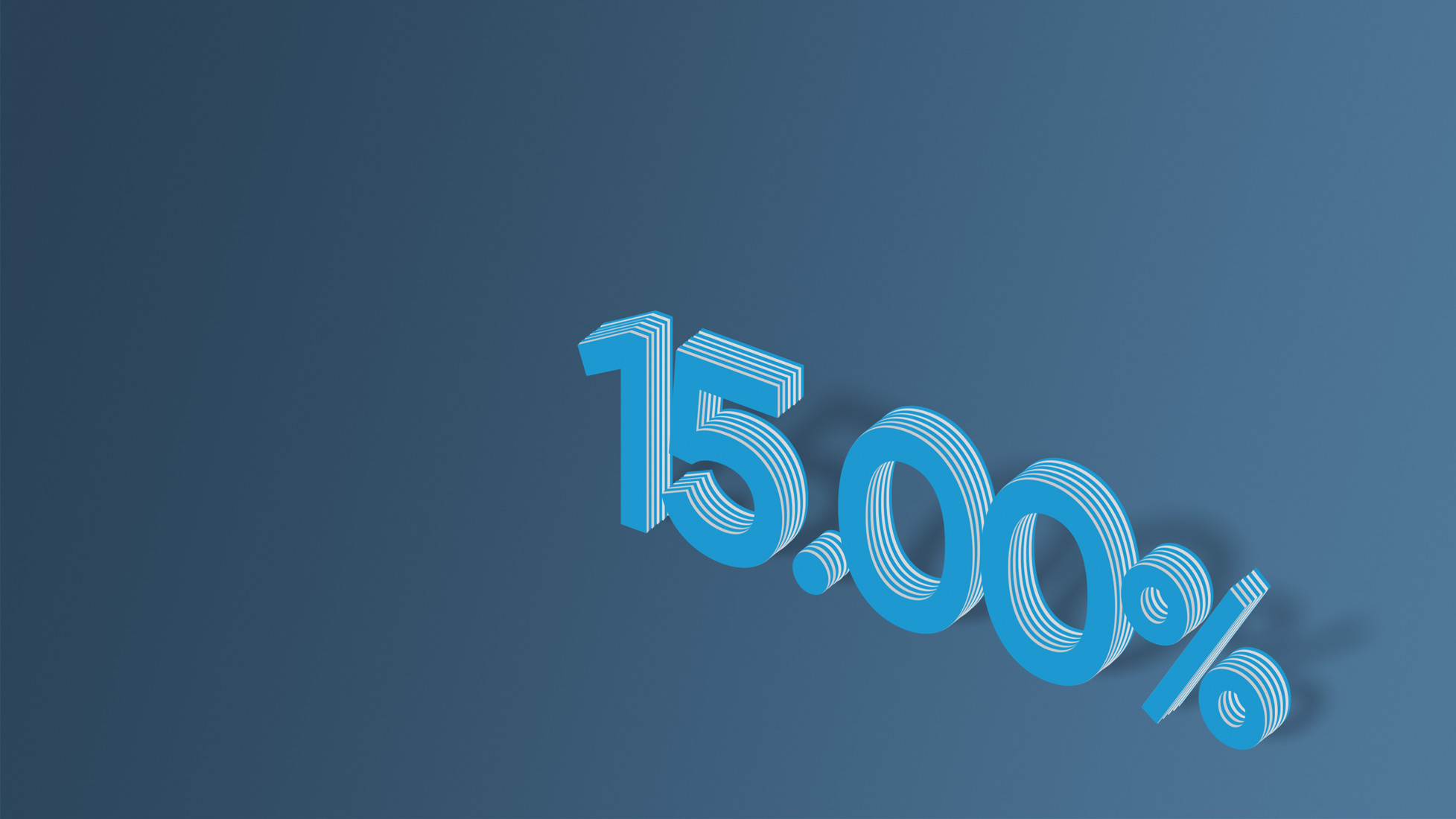
Following the analysis of the data and their assessment against the Bank of Russia’s February forecast, the participants reached a general consensus on the need of a 50 bp key rate cut to 15.00% per annum. Some discussants also provided arguments in favour of reducing the key rate by 100 bp to 14.50% per annum and keeping it unchanged at 15.50% per annum. Most participants proposed that the decision be accompanied with a moderately doveish signal indicating that the Bank of Russia would assess the need for a further key rate cut at the upcoming meetings. Certain discussants were against giving any signal about future steps.
The main arguments of those who proposed keeping the key rate unchanged were as follows:
- Underlying inflation estimates were considerably distorted by one-off factors, i.e. the January figures were overstated due to the impact of the rises in VAT and other tariffs and fees on prices, while those observed in February may be understated due to a temporary weakening of consumer demand at the beginning of the year. The growth rates of prices for unregulated (market) services remain high. A more reliable estimate of underlying inflation will be available later, in April–May. In order to cut the key rate further, it is necessary to make sure that underlying inflation has decelerated.
- Persistently elevated inflation expectations may impede a sustainable return of inflation to the target. In 2025 H2, measures of underlying inflation stabilised rather than decreased, which points to the need for an additional disinflationary impulse from monetary conditions. To keep price growth consistent with the 2026 forecast after a long period of inflation exceeding the target, underlying inflation rates should be temporarily decreased below 4% SAAR.
- No significant decline in demand was recorded in 2026 Q1. January saw a one-time drop in consumption associated with transitory factors (redistribution of demand across quarters and adjustment to tax changes). This suggests that consumer demand will return to positive growth rates, supported by a fast increase in incomes and earlier monetary policy easing. High-frequency data on economic activity are distorted and cannot be used to underpin a conclusion that it has decreased and the positive output gap has closed.
- Proinflationary risks inherent in fiscal policy persist. It is assumed that the reduction of the base crude price within the fiscal rule should be followed by a corresponding adjustment of expenditures to support the zero structural primary deficit. However, it may be difficult to implement this scenario. In this case, pressures on domestic demand and inflation may mount, triggering the need for a more cautious approach to monetary policy easing.
The main arguments in favour of a key rate cut were as follows:
- In 2026 Q1, the current price growth rate came in below the Bank of Russia’s February estimates. Measures of underlying inflation, excluding the contribution of higher VAT in January–February, did not increase, staying in the range of 4–5% SAAR, i.e. close to the levels of late 2025. Some of them even approached 4%.
- There are no signs of material second-round effects of one-off price growth factors. The response of inflation expectations to the increases in VAT and other fees was moderate. Households’ inflation expectations barely changed in late 2025–2026 Q1, while businesses’ price expectations plunged in February after their short-term increase in late 2025–early 2026 and were broadly flat in March.
- Monetary conditions remain tight, especially in the unsubsidised segment. Moderate credit activity and money supply dynamics at the beginning of the year point to a persistently restrictive impact of monetary policy. Households’ propensity to save stays high. The above suggests that domestic demand will be growing moderately, thereby contributing to disinflation.
- The positive output gap continues to shrink, as evidenced by cooling domestic demand at the beginning of the year. The labour market is gradually loosening, with companies’ recruitment and wage indexation plans becoming more moderate. Tight monetary conditions and a heavier tax burden constrain demand overheating.
- Based on the announced fiscal policy parameters and possible amendments to them, budget-related risks are assessed as limited.
Most participants agreed that there was room to reduce the key rate. Overheated demand is cooling even faster than assumed in the Bank of Russia’s February forecast. Keeping the key rate unchanged under these conditions may trigger risks of excessive cooling in the economy and a subsequent considerable decrease in inflation below the target.
When discussing the size of the key rate reduction, the participants who suggested a 100 bp cut attached more importance to the latest data on economic activity pointing to a more pronounced cooling in domestic demand. They also assessed the progress in decreasing underlying inflation with more confidence, noting that it had approached 4% SAAR. However, most participants proposed cutting the key rate by 50 bp. A more cautious step factors in mounting uncertainty and proinflationary risks, including those associated with external conditions, fiscal policy, and persistently elevated inflation expectations. Furthermore, it helps prevent financial market participants from developing exaggerated expectations regarding future key rate cuts and avoid an excessive monetary easing.
When discussing the signal, participants considered keeping it moderately doveish as in February or giving no signal about further steps at all. Some participants noted that rising uncertainty about external conditions and fiscal policy parameters shook their confidence that there was room for cutting the key rate at the upcoming meetings. Therefore, no signal should be given with respect to further steps. However, most discussants pointed out that a moderately doveish signal was consistent with the logic behind the baseline scenario assuming a gradual key rate reduction in 2026–2027. There were no grounds not to give this signal. Furthermore, the participants emphasised that a signal indicating that the Bank of Russia would assess the need for a further key rate cut was not a commitment to take specific measures at a specific meeting, but rather suggested that decisions should depend on the data received. Following the discussion, the participants agreed to keep a moderately doveish signal, updated its wording, and noted that it was necessary to factor in risks inherent in external and domestic conditions when making further decisions.
On 20 March 2026, the Bank of Russia Board of Directors decided to cut the key rate by 50 bp to 15.00% per annum. The Bank of Russia will assess the need for a further key rate cut at its upcoming meetings depending on the sustainability of the inflation slowdown, the dynamics of inflation expectations, and the analysis of the risks posed by external and domestic conditions. The Bank of Russia forecasts that, given the monetary policy stance annual inflation will slow down to 4.5–5.5% in 2026. Underlying inflation will be close to 4% in 2026 H2. In 2027 and further on, annual inflation will stay at the target.
