Inflation expectations of market participants are going down
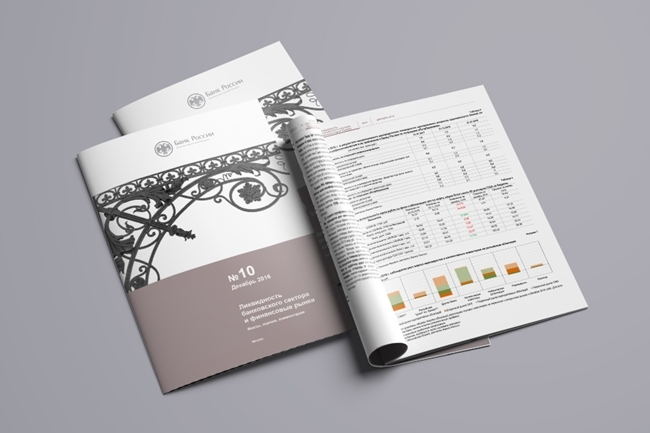
The Bank of Russia’s December decision to hold the key rate steady and tough narrative about its movements in the first half of 2017 hardly took most participants of the bond market by surprise. Their inflation expectations went back down after having surged in October and November, writes the 10th issue of ‘Banking Sector Liquidity and Financial Markets’, a commentary.
Participants of the money and debt market hardly revised their expectations of future ruble rates in December. Non-residents invested more vigorously in Russian financial assets, thus driving ruble appreciation.
Domestic dollar rates were high in the Russian money market in December. Given this circumstance and anxiety of market participants in the run up to the long New Year holidays, the Bank of Russia decided to temporarily increase limits at its FX repo auctions in the final week of December. This move eased tension in the market and dragged down domestic dollar rates, thereby moderating the quarter-end effect.
December saw mixed liquidity dynamics. Outflow of funds, triggered by higher demand for cash before the New Year holidays, shrinkage in Federal Treasury deposits and privatisation settlements, exceeded cash inflow from the Reserve Fund. As a result, structural liquidity deficit held in the banking sector. The Bank of Russia’s deposit auctions allowed keeping overnight interbank ruble rates close to the Bank of Russia key rate.
Structural liquidity surplus, which has already manifested itself in January 2017, will be unstable and structural deficit is likely to return in certain periods. That will depend on the fiscal policy and banks’ strategy in averaging required reserves.