Emerging rebound in financial sector bears no inflation risks
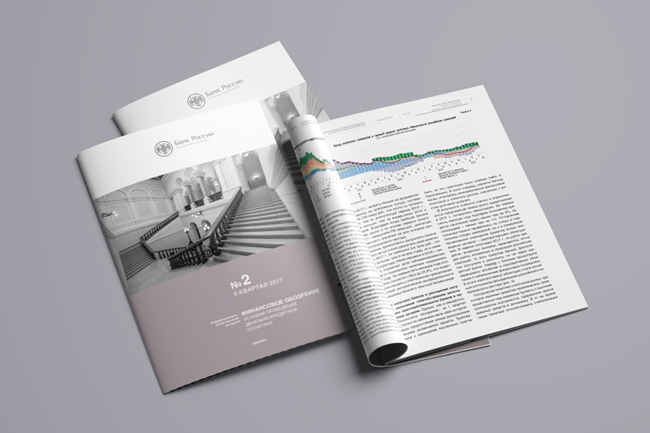
Growing volumes of financial transactions in the second quarter of 2017 were balanced, economically justified and brought no inflation or financial stability risks, according to the sixth issue of the information and analytical material ‘Financial Review: Monetary Policy Environment’.
Increased dynamism was observed in a number of financial market segments. In this way, lending to both households and SMEs was rising gradually and bond portfolios were expanding. However, financial market participants continued to proceed with caution in an effort to avoid risky operations. As a result, the emerging rebound in the financial sector carried no inflation risks.
The reduction of the Bank of Russia's key rate, on the back of inflation anchored near the target, encouraged a downward movement in banking rates; in 2017, this downward movement outran lowering inflation in several segments, thereby making borrowing more affordable. Softened lending conditions nevertheless came against a backdrop of invariably tight requirements for borrowers. The resulting monetary conditions also remained moderately tight.
The dedollarisation of financial operations continued into 2017 Q2. It was facilitated by both the cautionary approach of banks and their customers, as they sought to minimise foreign currency risks, and the Bank of Russia’s regulatory efforts aimed at discouraging foreign currency transactions. Low inflation played a part in deposit dedollarisation, helping real interest rates on ruble deposits stay in positive territory.
According to findings in the publication, as inflation slows down close to target and inflation expectations and inflation risks lower, conditions are set to emerge for further reduction in the cost of borrowing in the economy and a rise in bank lending activity.