Banks’ liquidity risks decline in money market
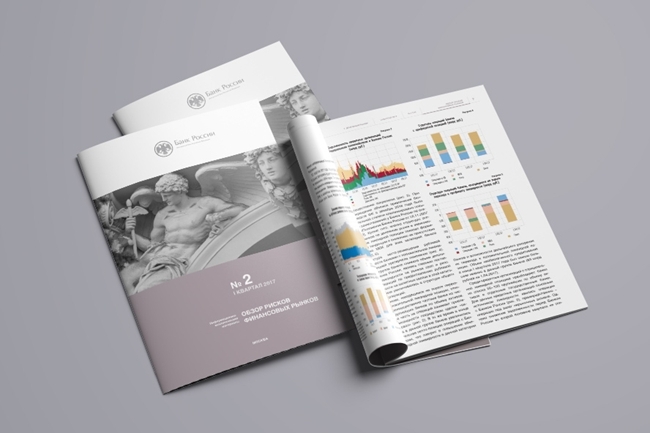
With the transition to a structural liquidity surplus close to completion, the ruble money market in the first quarter of the year saw banks’ positions balance out and liquidity risks drop. The liquidity ratios of banks with negative liquidity positions are on average lower than their peers, but their free market assets are in good supply, according to the findings of the second issue of the Financial Stability Review.
In a new development, the first quarter saw stronger foreign capital inflows into the domestic securities market. Non-residents showed higher demand for federal loan bonds (OFZs) and, to a lesser degree, corporate bonds. There were no signs of potentially risky price distortions driven by non-resident demand in individual OFZ issues. Non-residents’ exit from the OFZ market would send yields upwards and lead to a jump in local investor demand, primarily from systemically important credit institutions.
The novel rules for making up the BoR Lombard List, updated to meet new ratings agency legislation, are expected to bear no refinancing cutback risks for the banking sector. Currently, 55% of securities in the BoR Lombard List meet the new requirements, which, in a structural liquidity surplus environment, is sufficient to counter any potential systemic liquidity risks.
The potential rollout of mandatory margining rules in the Russian over-the-counter derivatives market has been found to cause no meaningful constraints to its current structure. Given the substantial shares of intragroup transactions and supply / foreign currency contracts, the margining requirements are expected to primarily cover systemically important credit institutions with advanced margin practices. From this perspective, the new requirements are expected to become a strong driver of systemic risk reduction for the derivatives market, with no negative implications for the stability of individual players.