Customer complaints about transfers to NPFs drop by two thirds in 2017 Q3, quarter on quarter
In 2017 Q3, the Bank of Russia received 28.8 thousand complaints against non-bank financial institutions and corporate players or 3% less compared with 2017 Q2 (29.7 thousand).
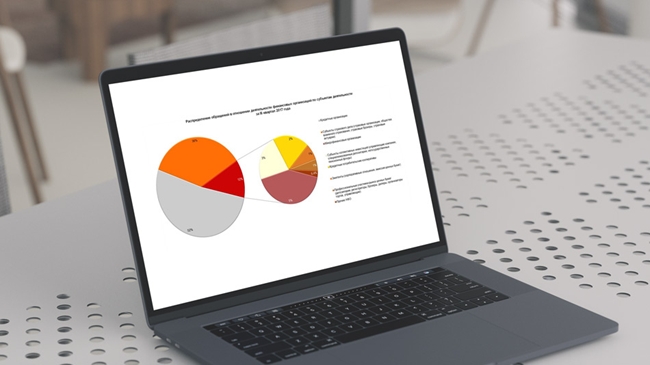
In Q3, the proportion of complaints against insurance agents grew by 5 pp to 74% of the total number of complaints against non-banks, whereas the proportion of complaints against collective investment market players dropped considerably by 10 pp to 6%. The proportion of complaints against microfinance organisations remained virtually unchanged at 11%.
The Q2 surge in complaints against non-governmental pension funds was followed by a period of stabilisation, leading to changes in the structure of appeals. In 2017 Q3, the Bank of Russia received less than 1 thousand personal complaints concerning the transitional campaign of 2016, which is three times less than the number received in 2017 Q2. In 2017 Q3, the Bank of Russia received a total of 1.6 thousand complaints about the activity of collective investment agents (NPFs, asset managers and specialised depositories).
As before, complaints about insurance companies for the most part are associated with the conclusion of OSAGO contracts (88%). The majority of OSAGO complaints concern the application of the bonus-malus scale (44%), however the proportion of these types of complaint has dropped by 20.7% compared with Q2. The reduction in the proportion of appeals in this period is typical for the season and can be observed from year to year.
The third quarter of 2017 saw an increase (by 10 pp to 31%) in complaints about the difficulty of concluding electronic OSAGO contracts. But complaint monitoring demonstrates a downward trend in these numbers from July through September. From August to September 2017, the number of complaints almost halved — dropping from 2.3 to 1.3 thousand.
Of the total number of appeals received by the Bank of Russia in 2017 Q3, the proportion concerning non-bank financial institutions stood at 48%. The remaining 52% were made up of complaints against credit institutions, totalling 31.3 thousand (an increase of 4.3% on 2017 Q2).
The largest share of appeals about credit institutions concerns the retail lending segment (41%). Bank customers most commonly complain about problems with loan repayments (31% of all complaints concerning retail lending) and about additional services forced on them when signing a contract (25%).
In view of this, the Bank of Russia has introduced amendments to a regulation aimed at extending the ‘cooling off’ period under voluntary insurance contracts to 14 days; this rule will come into effect from 1 January 2018. Additionally, discussions are underway to apply the ‘cooling off period’ to group insurance contracts. To address the problem of excessive private debt burdens, measures are being developed to limit the maximum allowed debt burden per borrower at the moment of loan issue.