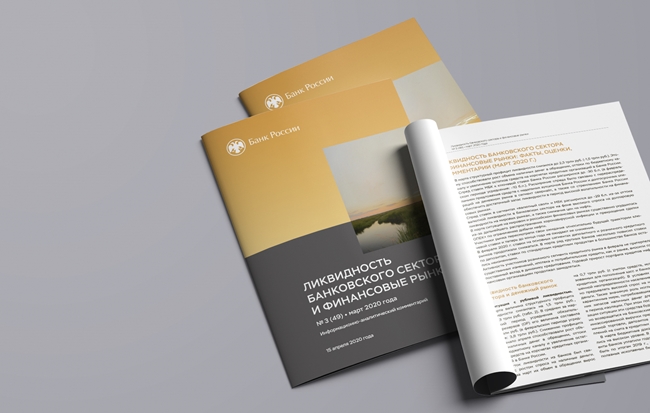
Structural surplus of banking sector liquidity declines amid growth of cash in circulation
March saw a decrease in the structural surplus of liquidity. This was caused by the growth of cash in circulation, money outflows through the budget channel, and a rise in balances on credit institutions’ correspondent accounts with the Bank of Russia. These are the findings published in the new issue of the information and analytical commentary 'Banking Sector Liquidity and Financial Markets'.
The spread between interbank lending rates and the Bank of Russia key rate expanded because of the redistribution of the money supply from the Bank of Russia’s weekly auctions and long-term operations in the money market towards the overnight segment, as well as the Bank of Russia’s commitment to secure a sufficient liquidity cushion during the period when financial markets are highly volatile.
Market players reviewed their expectations regarding the future path of the key rate, and now they do not expect any key rate decrease until the end of the year.
The interest rate spread in the FX swap and interbank lending segments expanded due to the outflow of foreign currency liquidity in the banking sector amid high demand for US dollar liquidity in global markets, as well as the slump in oil prices.
In February 2020, interest rates in the main segments of the deposit and retail lending market continued to go down. In March, a range of major banks slightly raised deposit rates, while interest rates on standard credit products remained unchanged in the majority of banks. The activity of participants of the retail lending market changed only slightly in February. As before, mortgage and consumer loans were comparable contributors to the lending dynamics. The annual growth of the portfolio of loans granted to non-financial organisations continued to slow down.